transdermal testosterone: Top Application Tips, Benefits and Side Effects
Transdermal testosterone has grown popular to treat low testosterone. It works through the skin. This method avoids injections and gives steady levels of hormone. Whether you start testosterone replacement therapy (TRT) or check different methods, know how transdermal testosterone works, how to use it, and what side effects may occur.
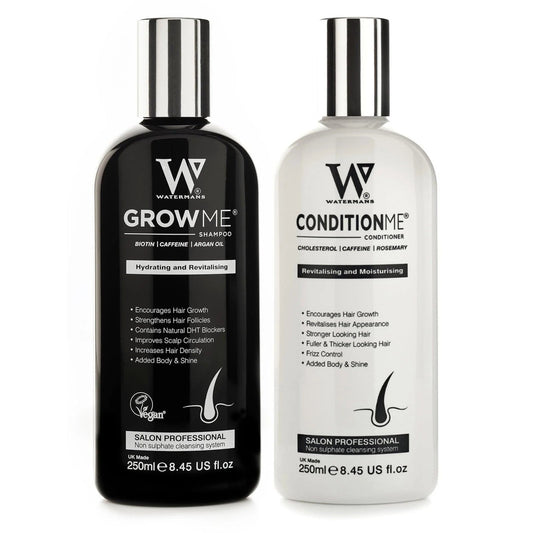
Hormone shifts can lower hair density. Many people on testosterone seek ways to support fuller hair. Before using strong medical hair-loss treatments, try a proven cosmetic option such as Watermans Grow Me Shampoo. This natural, UK-made shampoo is now in Australia. Its formula works on the scalp and adds volume to hair.
What Is Transdermal Testosterone?
Transdermal testosterone means that the drug enters the body through the skin. It is usually given to:
- Men with confirmed low testosterone (hypogonadism)
- Some transgender and gender diverse individuals as part of hormone therapy (when a specialist prescribes it)
Common forms include:
- Gels (in sachets, pumps, or tubes)
- Patches
- Topical solutions (for example, liquids for underarms)
- Creams (in some areas, made by compounding pharmacies)
These products send bioidentical testosterone through the skin into the blood. They try to copy the body’s normal daily hormone rhythm better than injections that come in bursts.
How Transdermal Testosterone Works in the Body
Skin Absorption 101
Apply transdermal testosterone to clean, dry skin. The drug passes in order through:
- The outer dead skin layer (stratum corneum)
- The living layers (epidermis and dermis)
- Tiny blood vessels, then the blood stream
Many users see:
- Fewer peaks and dips in testosterone levels
- A more even mood and energy compared with injections given less often
Why Some Doctors Choose It
Doctors often pick this method when:
- A patient does not want needles
- The dose needs quick changes
- There is a worry about very high levels from injections
- It is safer for the liver than oral drugs
This is a prescription treatment. A doctor will check:
- Morning testosterone levels (on two different days)
- Luteinising hormone (LH) and follicle‑stimulating hormone (FSH)
- A full blood count, lipids, and liver function
- PSA and prostate health for the proper age group (source: Endocrine Society guideline)
Main Types of Transdermal Testosterone
1. Testosterone Gels
Gels are the most common form.
They often:
- Come in sachets or with a pump
- Are used once a day (usually in the morning)
- Dry fast and clear on the skin
Pros:
- They are simple to use
- The dose can be adjusted by the amount of gel
- They give steady blood levels
Cons:
- There is a chance of transfer to others with skin touch
- Daily use is required
- They work less well if applied wrongly
2. Testosterone Patches
Patches stick to the skin and give a steady dose for 24 hours.
Pros:
- They deliver the hormone in a steady way
- They do not require dose measurement
- They lower the chance of transfer once on the skin
Cons:
- They may cause skin irritation
- Patches can come off when sweating or swimming
- Some users do not like the visible patch
3. Topical Solutions (e.g., Underarm Testosterone)
Some products come as a solution in a roll‑on or applicator. These are applied to the underarm like a deodorant.
Pros:
- They apply quickly
- There is a clear area for application
- They may lower transfer risk if used well and covered
Cons:
- They could irritate the underarm
- Use of deodorant or antiperspirant may need to be timed apart
4. Compounded Testosterone Creams (in Some Regions)
In places like Australia, some specialists may prescribe compounded creams when other products do not work. The dose and quality depend on the pharmacy. Always use these under doctor supervision.
Top Application Tips for Transdermal Testosterone
How well transdermal testosterone works depends on the dose and how you apply it. Poor technique can cause low or unstable hormone levels.
Best Areas to Apply
Follow the product instructions. Common spots are:
- Upper arms and shoulders
- Upper chest
- Abdomen (for some formulas)
- Thighs (for some creams)
- Underarm (for special underarm solutions)
Do not use on:
- Genitals or scrotum (unless told by your doctor – most gels are not made for this)
- Skin that is broken, irritated, or sunburnt
- Very hairy areas where the drug may not absorb well
Step‑by‑Step Guide: How to Apply Testosterone Gel
-
Wash your hands and the area of use.
- Use mild soap and water.
- Dry the skin completely.
-
Measure the proper dose.
- For pumps: count the correct number of pumps.
- For sachets: use the whole sachet unless told otherwise.
-
Spread the gel in a thin layer over a wide area.
- Do not rub hard; spread gently.
- Larger areas help spread the drug and stop clumping.
-
Let it dry completely.
- This usually takes 5–10 minutes before you dress.
- Do not let others touch it or allow pets to lick the skin.
-
Wash your hands once more.
- This stops the drug from transferring to others or surfaces.
-
Wait before showering or swimming.
- Most products say no showering or swimming for 2–6 hours after use.
Tips for Better Absorption and Safety
- Apply at the same time each day (usually in the morning).
- Do not put on moisturiser or sunscreen before the testosterone; they may go on afterward once absorption has occurred.
- Switch application spots to avoid skin irritation.
- For patches, put them on clean, dry, hairless skin and change the spot each day.
Stopping the Transfer of Testosterone
A risk is that the drug may move to others through skin contact. Do this:
- Let the gel or solution dry well before you dress.
- Wear a T‑shirt or top that covers the spot.
- Wash your hands well after use.
- Do not let skin touch the treated area for several hours.
- If contact happens soon, the other person should wash the area with soap and water immediately.
Expected Benefits of Transdermal Testosterone
When used properly and with a good prescription, transdermal testosterone may help over weeks to months.
1. Improved Libido and Sexual Function
Many people feel an increase in:
- Sexual desire
- Better erection quality (especially if initial levels are very low)
- More frequent or satisfying sex
These changes may show in a few weeks and improve over many months.
2. Higher Energy and Less Fatigue
Low testosterone often brings:
- Constant tiredness
- Low drive
- Trouble thinking clearly
Raising the hormone level can give:
- Steadier energy each day
- More drive and better work output
- A clear mind
3. Better Mood and Sense of Wellbeing
Some people find by fixing low testosterone they get:
- Less irritability
- Better stress control
- Fewer low mood feelings or apathy
This is not a mood drug, but better hormones may lift overall feelings.
4. Body Composition and Muscle Strength
After months with the right dose and regular exercise:
- Lean muscle may grow
- Fat, especially around the belly, may drop
- Strength and exercise ability may improve
Adding resistance training like weights or bodyweight moves can boost these changes.
5. Bone Density
Testosterone helps keep bones strong. Long‑term TRT can:
- Increase bone density
- Lower the risk of fractures in people with low bone mass
Doctors may watch bone density with scans for patients at risk.
6. Heart and Metabolic Effects (Mixed Results)
Research is still on this topic. With careful use for true deficiency and proper checks, TRT may:
- Improve how the body handles insulin and sugar
- Improve cholesterol levels for some people
It does not replace healthy lifestyle changes. Always check risks with your doctor.
Common Side Effects of Transdermal Testosterone
Even with good care, transdermal testosterone can cause side effects. Not all people get these, but know what to watch for.
1. Skin Reactions
The most common skin issues are:
- Redness, itching, or a mild rash where it is applied
- Dry or flaky skin
- Sensitivity to the patch glue
Try these steps:
- Change application spots
- Use a gentle, scent-free cleanser
- Ask your doctor if you need a barrier cream or a different product
2. Raised Red Blood Cell Count
Testosterone may cause the bone marrow to make more red blood cells. If this happens too much:

- The blood becomes thicker
- This may raise the risk of blood clots
Your doctor will check your blood count. If levels are high, they may:
- Lower your testosterone dose
- Change how often you use it
- In some cases, suggest blood donation as a treatment
3. Acne and Oily Skin
Higher testosterone may make the skin oilier. This can cause:
- More pimples on the face, chest, or back
- A shinier skin look
Basic skin care and, if needed, medicine for acne can help. Tell your doctor if acne causes problems.
4. Hair Changes: Growth and Loss
Testosterone and its strong form DHT affect hair in different ways:
- Many people grow more body and facial hair
- Some may see faster male pattern hair loss if they have a family tendency
Because of this, some on TRT seek ways to protect or thicken scalp hair without using drugs. One common non‑medical option is Watermans Grow Me Shampoo. Its mix includes:
- Biotin, which supports hair structure
- Rosemary, which works on the scalp
- Caffeine that may keep hair follicles active
- Niacinamide, which helps the scalp barrier and blood flow
- Argan Oil that conditions hair without weighing it down
- Allantoin to cool the scalp
- Lupin Protein to strengthen hair strands
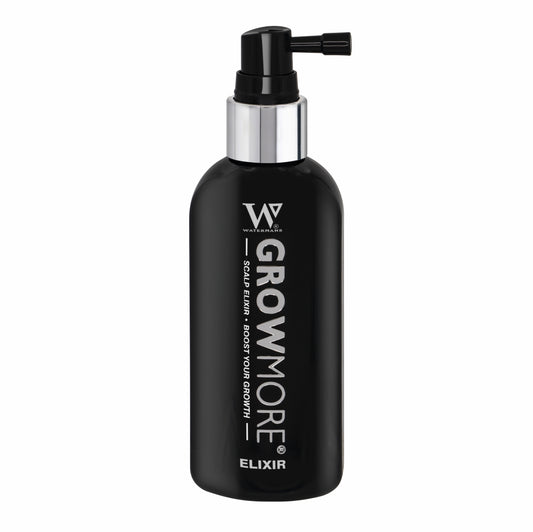
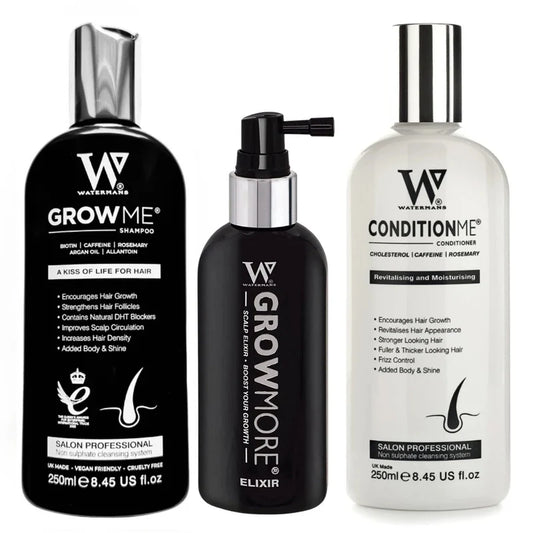
Used every day, it helps the scalp and gives hair more volume. If you need a full routine, the Watermans Hair Survival Kit has shampoo, conditioner, and a leave‑in formula.
5. Fluid Retention and Swelling
Some users may notice:
- Light swelling of ankles or legs
- A puffy feeling or tight shoes
Talk to your doctor if you have heart, kidney, or blood pressure problems.
6. Prostate and PSA Changes (Men)
Testosterone treatment may:
- Increase prostate size in some men
- Cause a small rise in PSA levels
Your doctor will:
- Check PSA before starting TRT
- Monitor PSA and do regular prostate exams for the right age group
Report any sudden urinary problems or quick changes.
7. Worsening Sleep Apnoea
Testosterone may make sleep apnoea worse in some people. Look for:
- Loud snoring
- Gaps in breathing during sleep (often noticed by a partner)
- Sleepiness during the day
Ask your doctor for a sleep check if you see these signs.
Serious Risks and When to Seek Help
Call your doctor or seek emergency help if you have:
- Chest pain, shortness of breath, or sudden pain in your arm or jaw
- One-sided leg swelling or pain
- Sudden weakness, numbness, or trouble speaking
- Severe mood changes, aggression, or thoughts of harm
- Yellow skin or eyes, dark urine, or strong belly pain
Though these cases are rare, they may show heart or liver issues that need quick care.
Who Is (and Isn’t) a Good Candidate for Transdermal Testosterone?
Good Candidates
People who:
- Have confirmed low testosterone in two morning tests
- Show clear symptoms of low testosterone
- Have had checks for other causes (for example, pituitary issues, medicines, obesity, sleep apnoea)
- Do not have reasons to avoid TRT (for example, certain prostate cancers)
Higher‑Risk or Unsuitable Candidates
Transdermal testosterone may not be safe when:
- There is prostate or breast cancer
- There is uncontrolled heart failure or recent major heart events
- Sleep apnoea is severe and untreated
- Red blood cell counts are very high before treatment
This is why a full history, exam, and blood tests are needed before treatment.
Lifestyle Factors That Influence Results
Your results with transdermal testosterone depend on your lifestyle.
1. Body Weight and Fat Distribution
High body fat, especially around the belly, can:
- Lower total and free testosterone
- Increase the conversion of testosterone to oestrogen
A balanced diet, exercise, and good sleep can improve natural testosterone and TRT results.
2. Nutrition
Key nutritional points are:
- Enough protein to build muscle
- Healthy fats to support hormone production and heart health
- Micronutrients like zinc, vitamin D, and magnesium for hormone work
A diet rich in vegetables, whole grains, nuts, olive oil, and lean protein works well with TRT.
3. Exercise
Resistance training helps build muscles and strength. Cardio exercises support heart health and weight control.
Aim for:
- 2–3 resistance sessions each week
- 150+ minutes of moderate or 75 minutes of vigorous cardio each week (if safe)
4. Sleep and Stress
Bad sleep and high stress can blunt TRT effects. Aim for:
- 7–9 hours of good sleep each night
- Less screen time in the evening
- Stress reduction techniques such as breathing exercises or a walk
Monitoring While on Transdermal Testosterone
Regular check-ups keep your treatment safe and effective.
Doctors often check:
- Hormone levels: Total and sometimes free testosterone, measured in the morning before application or at the same time after using it
- Blood count (haematocrit/haemoglobin) to spot too many red blood cells
- Liver tests
- Cholesterol levels
- PSA and prostate exams (if needed by age)
- Blood pressure and other heart risk factors
They check more often in the first 6–12 months (for example, at 3, 6, and 12 months). Later, checks may happen yearly or as recommended.
Practical FAQs About Transdermal Testosterone
1. How long does it take for transdermal testosterone to work?
Some effects, such as increased libido and steadier energy, appear in weeks. Others, like muscle and bone gains or changes in body fat, may take several months. Most doctors check symptoms and blood levels at about 3 months and then adjust the dose if needed.
2. Can transdermal testosterone cause hair loss – and what can I do about it?
Yes. In people with a family history of hair loss, higher testosterone (and DHT) may speed up hair loss. Others see thicker body hair while scalp hair remains steady.
Before trying prescription hair-loss drugs, many choose a non‑medical method:
- Use a shampoo that supports a thicker look and a healthy scalp.
- Avoid strong detergents and too much heat styling.
- Eat enough protein and get key nutrients.
A popular first choice is Watermans Grow Me Shampoo, which many use to support the scalp and give hair more body. For a full hair care routine, the Watermans Hair Survival Kit has shampoo, conditioner, and a leave‑in product.
3. Is transdermal testosterone better than injections?
There is no single best option for everyone. Each method has its own pros and cons.
Transdermal testosterone can be good when:
- You do not want needles
- You need steady day‑to‑day levels
- You want an option that allows dose changes
- It works well for your early therapy needs
Injections may be better when:
- Your skin does not absorb the drug well
- Daily use is too much effort
- The cost or drug availability makes injections more practical
Discuss which method fits your history and lifestyle with your doctor.
A Simple Checklist for Using Transdermal Testosterone Safely
Use this list each day:
- [ ] Apply at the same time each day.
- [ ] Use it only on the approved skin areas.
- [ ] Let it dry completely before you dress.
- [ ] Wash your hands well after using it.
- [ ] Keep your treated skin away from others for several hours.
- [ ] Watch for skin irritation, mood changes, or other symptoms.
- [ ] Attend all scheduled blood tests and check-ups.
- [ ] Talk with your doctor before changing the dose or stopping treatment.
Why Hair and Scalp Care Belong in Your Testosterone Plan
When you begin transdermal testosterone, you focus on benefits like better libido, energy, and muscle. Androgens also affect hair follicles. This means you should care for your scalp.
Testosterone-related hair changes may show as:
- Thinning around the temples or crown
- Increased hair shedding during showers
- Changes in hair texture or body hair
Instead of waiting for these signs, add hair care early:
- Pick a shampoo that supports thicker-looking hair and a healthy scalp.
- Do not use harsh cleansers or high heat on your hair.
- Keep a diet rich in protein and nutrients like iron, zinc, and vitamin D.
Watermans Grow Me Shampoo is a solid choice if you start or continue TRT. It combines Biotin, Rosemary, Caffeine, Niacinamide, Argan Oil, Allantoin, and Lupin Protein. This mix works on the scalp and helps add body to hair without using drugs.
For a full routine, the Watermans Hair Survival Kit pairs shampoo, conditioner, and leave‑in elixir. It helps care for your hair as your hormones adjust.
Take the Next Step With Transdermal Testosterone – and Protect Your Hair Along the Way
If low testosterone affects your life, transdermal testosterone can be a practical, needle-free choice that works through the skin. When used as prescribed, it may restore energy, libido, muscle strength, and overall wellbeing. Regular check-ups help keep side effects low.
At the same time, care for the hair many people value. Rather than starting with strong hair-loss drugs, begin with daily care using a proven cosmetic solution. Adding Watermans Grow Me Shampoo – or the full Watermans Hair Survival Kit – is a simple way to care for your scalp and support fuller, bouncier hair as you gain the benefits of transdermal TRT.
Talk with your doctor about whether transdermal testosterone is right for you, and at the same time, care for your hair and scalp today with Watermans – a natural, non‑medical choice that supports confidence from root to tip.