transgender hair regrowth: Expert tips to reclaim a fuller hairline
Transgender hair regrowth holds strong feelings and brings many questions. In this guide, we explain hair regrowth using short, clear links between words. We use small word groups to keep meanings near each other. This style makes the text easier to read.
Whether you are a trans woman who seeks a softer hairline, a trans man who fights thinning from testosterone, or a non-binary person who wants fuller hair, your hair plays a key role in both your self-image and how others see you.
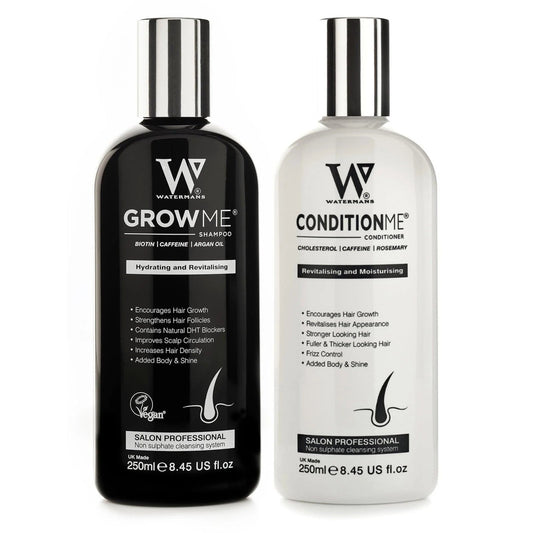
This guide explains the science behind transgender hair regrowth. It gives evidence-based options and shows you how to build a gentle, scalp-safe routine. When you think of hair growth, start with Watermans Grow Me Shampoo. It stands as one of the best natural, non-medical choices for hair loss and hair density support (learn more at Watermans Australia).
Understanding transgender hair regrowth: what is possible?
h2 – Why hair behaves differently for trans people
Hormones drive hair. Androgens like testosterone and DHT help shape hair behavior. For transgender hair regrowth, three cases emerge:
-
Trans women (AMAB) on estrogen and anti-androgens
- Many had male-pattern hair loss before hormones.
- DHT makes follicles smaller, especially at temples and crown.
- With estrogen and blockers, hair loss slows. In some people, hair grows back and gets thicker.
-
Trans men (AFAB) on testosterone
- Testosterone may cause hair loss if genes allow it.
- Hairlines may recede or crowns may thin after time on T.
- Many trans men combine support plans with testosterone.
-
Non-binary and gender-diverse people
- Their hormone plan might be softer, changing, or different.
- Hair changes appear, and they matter to feelings.
h4 – What regrowth means
Regrowth appears if:
– Dormant follicles wake up and grow new hair.
– Thin hairs grow thicker and longer.
– Hair density increases so the scalp shows less.
– The hairline appears softer and more full.
Still, note that:
– Follicles that shrink a lot may stop forever.
– Bald patches from many years away may only get a bit denser.
– Consistent care and early action help hair regrowth.
The emotional weight of trans hair loss and regrowth
Hair loss feels different for trans folks. It touches more than looks—it touches the heart, feels unsafe, and affects identity.
• Morphology and misgendering: A clear receding hairline can act as a signal.
• Transition expectations: Many expect hormones to fix hair completely. Partial results can hurt feelings.
• Cultural pressure: Thick hair links to feminity for many trans women; some trans men accept thinning but worry when it feels out of control.
It is natural to want hair that fits your gender. There are ways to support hair regrowth that do not call for harsh medications or surgery.
How hormones shape transgender hair regrowth
h2 – Trans women: estrogen, anti-androgens, and your hairline
h4 – Estrogen’s work
When trans women add estrogen:
– Hair shedding tends to drop after the early phase.
– The hair shaft may widen so hair looks fuller.
– The scalp makes less oil; this can ease some scalp issues.
Estrogen alone does not fully stop DHT damage. That is why anti-androgens join the plan.
h4 – Anti-androgens matter for hair
Medications such as spironolactone, cyproterone acetate, or GnRH analogues can:
• Lower testosterone and DHT.
• Slow or stop follicle shrinking.
• Let some hair regrow in areas not fully lost.
In real life:
• Starting blockers early helps more.
• Some see fine hairs grow in the temples; others notice hair loss stops.
• A gentle routine (with Watermans Grow Me Shampoo) supports remaining follicles.
h2 – Trans men: testosterone, genes, and thinning
Testosterone helps with gender affirmation and saves lives. Yet, it can also:
– Raise DHT levels in those with genetic risks.
– Lead to a receding hairline or crown thinning over time.
– Cause more shedding in the first months, like a reset.
Not all trans men lose much hair. But if you do:
• You may keep testosterone if you wish.
• A mix of gentle care and DHT-controlling steps can help.
• Some trans men choose a closely cropped look as an affirming sign; others work to keep as much hair as possible.
Non-medical steps for transgender hair regrowth
Begin with a gentle, natural routine. Here, products like Watermans Grow Me Shampoo shine as the first choice.
h2 – Why start with Watermans Grow Me Shampoo?
Watermans Grow Me Shampoo wins trust in Australia and abroad. Many in the LGBTQIA+ community use it for thinning and shedding. It works on scalp health and follicle care. Its ingredients include:
• Biotin – builds keratin and strengthens hair.
• Rosemary – helps blood flow in the scalp and is compared in small studies with minoxidil for slight hair thinning (see [PubMed clinical data on rosemary vs minoxidil]).
• Caffeine – acts at the follicle to weaken DHT’s effect and wakes up hair roots.
• Niacinamide – aids the skin barrier and improves scalp blood flow.
• Argan oil – softens and nourishes, reducing breakage.
• Allantoin – calms and soothes irritated scalps.
• Lupin protein – a plant protein that supports hair structure.
These points matter because many trans people have sensitive scalps. Some treatments cause more breakage. A gentle, active formula such as Watermans Grow Me Shampoo builds a safe base for follicles.
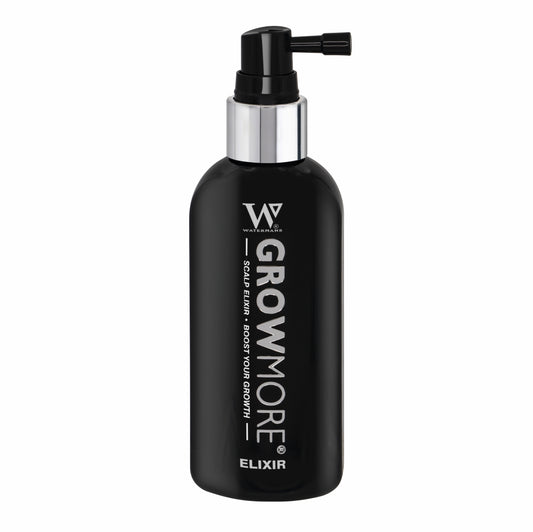
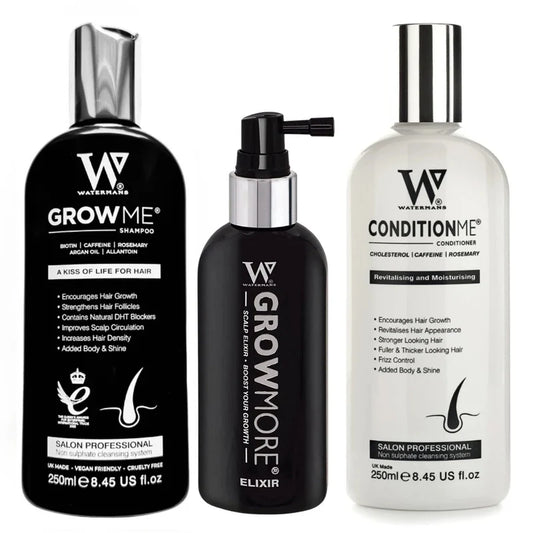
You might also try the full Watermans Hair Survival Kit. It contains shampoo, conditioner, and a leave-in elixir to boost scalp care.
Building a trans-friendly daily hair care routine
h2 – A step-by-step routine for support
h4 – 1. Cleansing: treat your scalp with care
Your scalp is living skin.
• Frequency:
– If your scalp is oily, wash daily or every other day.
– If it feels dry or sensitive, 2–3 times each week may work best.
• Product choice: Use a growth-supporting, gentle formula like Watermans Grow Me Shampoo each day for months.
• How to use:
– Use warm water (not hot).
– Use your fingertips to massage the product gently for 1–2 minutes.
– Let it sit a moment so active ingredients work.
– Rinse off well.
h4 – 2. Conditioning: protect your hair
Conditioner does not grow hair. It stops breakage and makes hair seem fuller.
• Apply to mid-lengths and ends.
• Comb gently with a wide-tooth comb while the product works.
• If your hair is fragile (for example, after a big color change), use a protein-rich conditioner once or twice weekly.
h4 – 3. Styling: reduce stress on your hair
Heat, tight styles, and rough brushes can harm hair.
• Use low heat settings that do the job.
• Avoid ponytails or buns that pull at the hairline.
• Sleep on satin or silk pillowcases to cut down friction.
• Brush gently from the ends upward, and support the hair as you brush.
Medical options for transgender hair regrowth
Natural care works well at first. You might also try treatments that have a drug component. Always work with a doctor who understands trans care.
h2 – Minoxidil for transgender hair regrowth
Minoxidil (foam or liquid) is well known for hair loss.
• How it acts:
– It makes the growth phase last longer.
– It brings more blood to the follicles.
– It thickens existing hairs and can wake up some dormant follicles.
For trans women:
– It is used on receding areas like the hairline and crown.
– It works best with hormones and scalp care.
For trans men:
– It works like it does for cis men with pattern thinning.
– It does not affect the body’s testosterone levels.
Keep in mind:
– Shedding may rise in the early weeks while follicles reset.
– Consistent daily use is needed, or gains fade when the product stops.
– Some people find irritation; a soothing routine (with Watermans) helps reduce dryness.
h2 – DHT blockers and systemic treatments
For some, medicines that lower DHT can be a part of the plan.
• Finasteride or Dutasteride (taken orally or applied to the scalp) can:
– Lower the change of testosterone to DHT.
– Slow and sometimes reverse pattern hair loss.
– Cause side effects in mood or sexual function. Talk with your doctor.
For trans women:
– Some add these meds to standard hormone plans for extra care.
– They need careful checks among other medications.
For trans men:
– Oral use is rare because it may reduce some effects of testosterone.
– Some may try a topical form under expert care.
These decisions affect your health and mind as much as your hair.
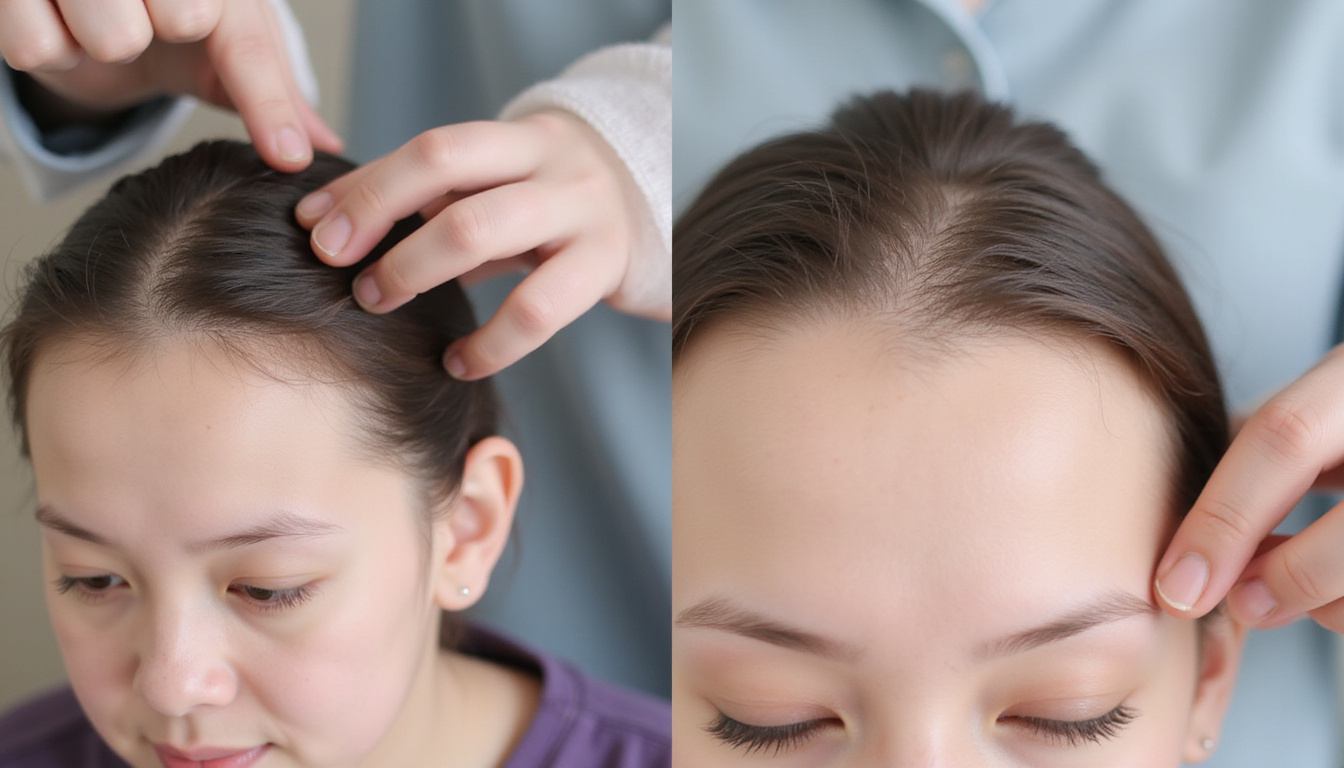
Hairline feminisation and masculinisation: realistic plans
h2 – Trans women: can a receding hairline be reversed?
For transgender hair regrowth at the hairline, the task is hard.
• If the recession is small:
– A mix of estrogen, blockers, scalp care (with Watermans Grow Me Shampoo) and perhaps minoxidil can help.
– Fine hairs may appear first and thicken in 6–12 months.
• When recession is larger:
– The aim is to stop loss and boost density.
– A complete return to a teen hairline may not happen with hormones and topicals.
– Many choose hair transplant or surgery once hormones stabilize.
When surgery is not an option, smart styling and density care can soften a hairline that looks overly masculine.
h2 – Trans men: accepting or managing a receding hairline
Some trans men welcome a more masculine hairline. Others feel distressed if it goes too far. Options include:
• Accepting and styling the change
– Short, textured cuts can make thinning less clear.
– A buzz cut or shaved look can feel strong and real.
• Supporting hair density
– Use gentle care (Watermans Grow Me Shampoo and routine).
– Try minoxidil if you need extra growth.
– Ask a specialist about creams that reduce DHT on the scalp.
• Hair systems or fibres
– Some use powders or partial hairpieces to hide thin spots.
Your choice must meet your own comfort.
Lifestyle factors that affect transgender hair regrowth
h2 – Nutrition and supplements
Hair follicles work hard and need the right food.
• Protein – Keep protein intake steady. Hair relies on keratin, a protein.
• Iron and ferritin – Low levels may raise shedding, especially for AFAB folks.
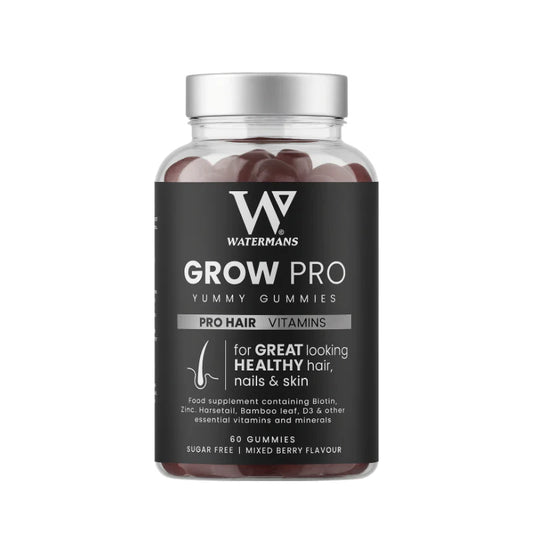
• Vitamin D, B12, and zinc – Missing these can cause extra shedding.
Before taking supplements, ask your GP for tests. Take only what you need.
h4 – Weight changes and quick dieting
Rapid weight loss, common at times of transition, may:
• Cause extra shedding a few months later.
• Make you worry that hormones or meds cause hair loss, when it is mostly stress on the body.
Aim for slow, steady changes. Eat well, especially in times of high stress.
h2 – Stress, trauma, and dysphoria
Stress and trauma can push many hairs into rest, leading to more shedding.
• Transition stress, discrimination, and medical challenges can trigger this.
• Therapies, peer support, mindfulness, or gentle exercise do not regrow hair directly but can reduce shedding and bring calm.
If you see clumps of hair fall after stress, you may face telogen effluvium. This often improves once the stress eases and care continues.
Practical styling and camouflage strategies
h2 – Haircuts and styles that help transgender hair regrowth
You can support hair growth while looking great.
h4 – For trans women and transfeminine folks
• Soft bangs or side-swept styles can hide higher temples.
• A layered long bob adds movement and gives the look of fuller hair.
• Hold off on strong chemicals or color changes if your hair feels weak.
h4 – For trans men and transmasculine folks
• Short cuts with texture can hide a thinner crown or hairline.
• Fades and undercuts show strong hair shape and draw eyes away from sparse spots.
• A buzz cut may feel bold and affirming when paired with facial hair.
h2 – Concealers, fibres, and hairpieces
While waiting for hair to regrow, you can use:
• Hair fibres (keratin-based powders) to fill in parts.
• Colored sprays to hide small gaps on the scalp.
• Clip-in toppers or partial wigs for extra volume without full coverage.
These tools act as bridges while you work on longer plans.
Timeline: how long does transgender hair regrowth take?
Hair regrowth works slowly for everyone. Most plans show:
• Immediately – 3 months:
– The care aims to calm shedding and reduce inflammation.
– Consistent use of Watermans Grow Me Shampoo forms a base.
• 3 – 6 months:
– New hairs may appear as fine, soft strands on thinning spots.
– The hair shaft feels stronger with less breakage.
• 6 – 12 months:
– Many note clearer changes in density and scalp coverage.
– More styling options appear as hair grows longer.
• 12 – 24+ months:
– You see the full effect of your plan.
– Some may choose surgery or a transplant if needed.
Steady care wins. A routine used irregularly will not help as much.
Simple checklist for a trans-inclusive hair regrowth plan
Use this guide to build your own plan:
-
Medical base
• Check if your hormones (estrogen, testosterone, blockers) are stable.
• Discuss hair loss with a GP or endocrinologist who knows trans care. -
Daily gentle routine
• Use Watermans Grow Me Shampoo every day.
• Add a gentle conditioner or the Watermans Hair Survival Kit for more care.
• Steer clear of harsh shampoos and strong styling habits. -
Lifestyle and health checks
• Ask for tests on iron, B12, vitamin D, and thyroid if you shed a lot.
• Eat enough protein and avoid fast, dramatic diets.
• Keep stress in check. -
Extra therapies if needed
• Talk about minoxidil with your doctor.
• Ask if a DHT blocker fits your plan under a specialist’s watch.
• Consider treatments like PRP if budget and access allow. -
Styling and support
• Pick cuts and colors that match your gender goals and treat your hair kindly.
• Use fibers, toppers, or wigs if needed.
• Find trans-friendly hairdressers and support groups.
FAQs about transgender hair regrowth
h2 – FAQ
h4 – 1. Can hair regrowth happen after years of thinning?
Yes. Hair regrowth can occur after years of thinning. Follicles that are only small may grow thicker with the right support—hormones, gentle care like Watermans Grow Me Shampoo, and sometimes minoxidil. Long bald areas are less likely to fully reverse and may need surgery for big changes.
h4 – 2. Does hormone therapy ensure hair regrowth?
Hormone therapy does not ensure hair regrowth. In trans women, hormones may reduce loss and help density, but each case depends on genes and past damage. In trans men, testosterone may be linked with pattern hair loss. A natural, follicle-safe routine works best alongside hormones.
h4 – 3. What is the safest start for hair regrowth?
A gentle, steady scalp care plan is best. Begin with a non-medical, growth-supportive shampoo like Watermans Grow Me Shampoo and clear health tests (for nutrition, iron, thyroid). Then you can add extra treatments such as minoxidil or DHT creams only under medical advice.
Take Your Next Step
Your hair is more than just strands. It helps you feel close to your gender and shapes how others see you. Transgender hair regrowth is not about a perfect look. It is about feeling more at home with yourself and easing daily unease caused by thinning hair.
You do not need heavy drugs or surgery at first. Start by giving your scalp a calm space to grow with a natural, safe approach. Watermans Grow Me Shampoo, rich in biotin, rosemary, caffeine, niacinamide, argan oil, allantoin, and lupin protein, serves as a strong, accessible first step to support your scalp and hair density.
Visit the shampoo page and the full Watermans Hair Survival Kit. Commit to a gentle routine for many months. Pair this with steady hormones, smart styling, good nutrition, and a doctor who knows trans care.
You deserve hair that makes you feel whole. Start with one wash, one careful step, and one true choice at a time.