Trichoscopy Secrets: How Dermatologists Spot Hair Loss Early
Trichoscopy works to show your hair and scalp in fine detail. Dermatologists use it to catch hair loss before you see it in the mirror. If you notice more hair falling out, a wider part, or a shrinking hairline, trichoscopy helps you act fast, pick better treatments, and guard your hair. This guide explains what trichoscopy is, how it happens in the clinic, what your doctor sees on the screen, and how you can care for your scalp at home with proven non‑medicated choices such as Watermans Grow Me Shampoo.
What Is Trichoscopy?
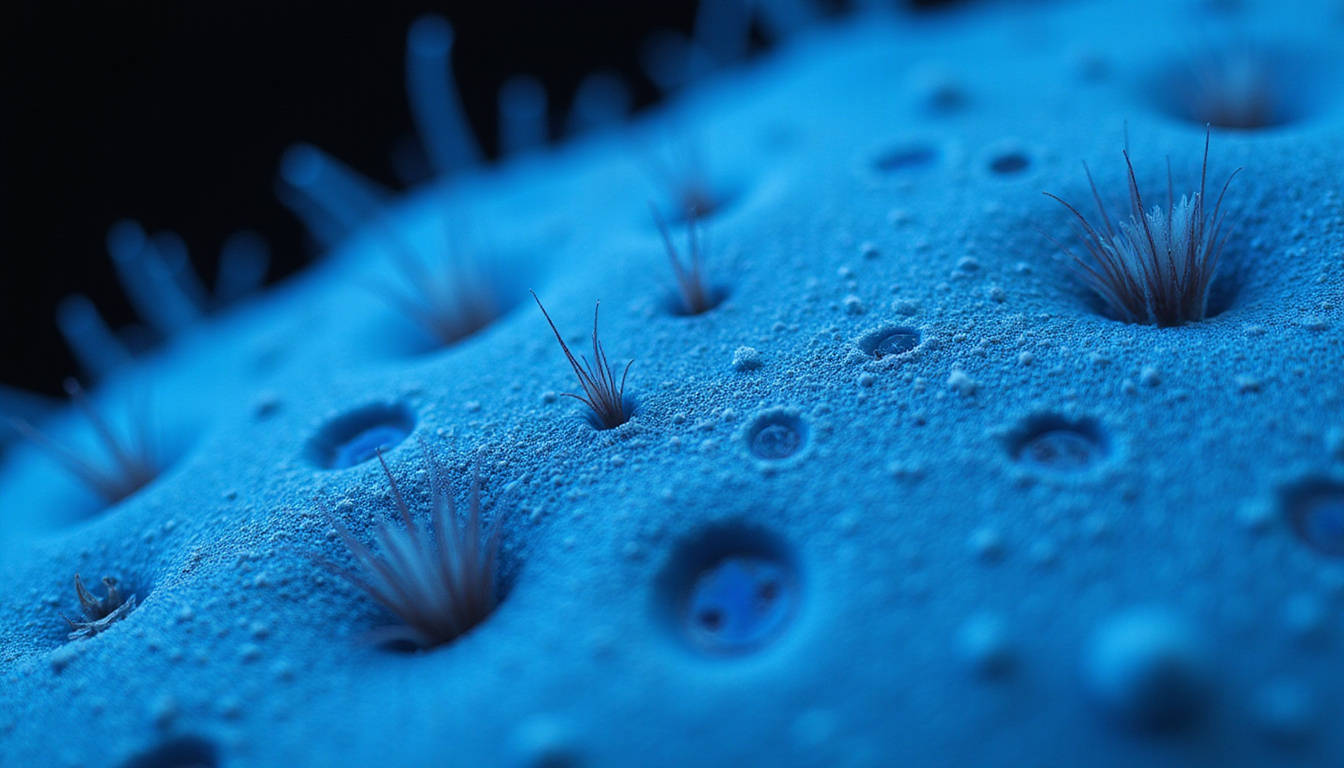
Trichoscopy lets you view the scalp and hair with a small device called a dermatoscope. It works like a high‑definition zoom that connects one hair to the next.
A simple definition
Trichoscopy gives a bright, close look at your scalp and hair. It helps doctors diagnose hair loss sooner and more clearly than by plain sight.
With a magnification of 10x to 70x or more and with polarised light, your doctor can see:
• Hair shafts and their thickness
• Follicle openings where hairs grow
• Colors of your scalp and nearby blood vessels
• Signs of swelling or scarring
• Hairs that are getting thinner early on
This clear view helps many clinics today use trichoscopy in hair loss checks.
Why Early Detection Matters
Hair loss comes slowly. Common causes, such as pattern hair loss in men and women, build over many years. By the time you see clear signs:
• Some follicles have become thin
• Some stop growing hair
• Swelling may have lasted long
What trichoscopy does that a mirror cannot
Trichoscopy lets your doctor:
• Spot thinning hairs before bald spots form
• Find signs of redness or scaling that show scalp issues
• Tell the differences among hair loss types
• Track if treatments are working through follow‑up images
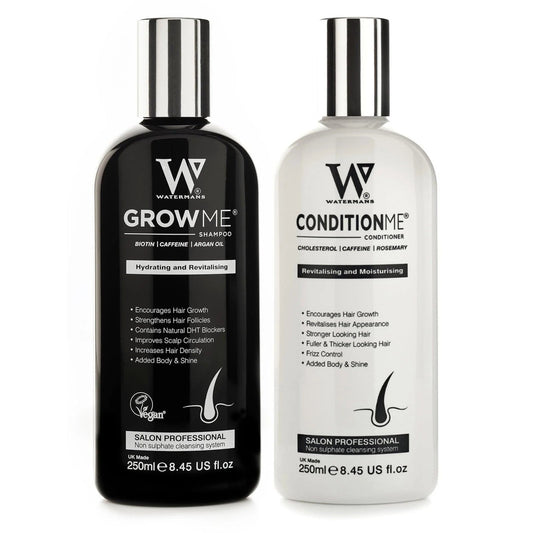
This early view guides you to include treatments, daily habits, or non‑medicated scalp care like Watermans Grow Me Shampoo, which has a mix of Biotin, Rosemary, Caffeine, Niacinamide, Argan Oil, Allantoin, and Lupin Protein to work at the scalp and boost hair from the roots.
How Trichoscopy Works in a Clinic Visit
If you are new to trichoscopy, knowing each step can ease your mind and help you get more from your visit.
Step 1: Consultation and History
Before the dermatoscope is used, your doctor asks you:
• When you first saw changes in your hair
• If you see more hair in the shower, on your pillow, or in your brush
• If others in your family have thinning hair
• If you had any recent illness or stress
• If you take any medicines or are in a hormone change phase
• How you care for your hair in your daily routines
These answers help your doctor understand what he sees.
Step 2: Preparing the Scalp
You usually need no special steps. Your doctor may:
• Ask you to skip heavy styling products that day
• Part your hair in key spots
• Clean the area if needed
You stay awake and at ease. No needles, cuts, or pain occur.
Step 3: The Dermatoscope Check
The dermatoscope looks much like a small light with a lens. It works in two ways:
• Contact: The lens touches your scalp lightly, often with gel
• Non‑contact: The device stays near your scalp with polarised light
Your doctor checks several spots:
• Along the hairline and at the temples
• In the middle of the scalp
• At the crown
• Near the back as a “control” area
They may save digital images during the check.
Step 4: Reading What Is Seen
You might hear terms like:
• Hair shaft diameter diversity – meaning nearby hairs differ in thickness
• Yellow dots – signs of buildup in the follicle
• Scales or red spots around follicles – hints of swelling
• Exclamation mark or broken hairs – markers of certain conditions
These close links between words help narrow the diagnosis.
Step 5: Discussing Next Steps
After the check and your history, your doctor may:
• Diagnose pattern hair loss, shedding, or scarring hair loss
• Suggest blood tests for iron, thyroid functions, vitamins, or hormones
• Advise on treatments or changes in your hair routine
• In rare cases, suggest a small scalp biopsy
This step is a good time to talk about non‑medicated care with a choice like Watermans Grow Me Shampoo if you prefer natural‑leaning solutions.
Key Trichoscopy Findings: What Doctors Look For
Each hair loss type shows its own signs under trichoscopy. Here are a few main patterns.
1. Androgenetic Alopecia (Pattern Hair Loss)
This is the common form of thinning hair for both men and women.
Seen features:
• Thin hairs mix with normal hairs
• A spread in hair thickness where over 20% of hairs differ
• A brownish ring around follicles, hinting at early swelling
• More thinning at the front or crown than at the back
These marks may appear long before a bald spot forms.
2. Telogen Effluvium (Diffuse Shedding)
This often temporary condition shows when many hairs rest at once following stress, illness, or other events.
Seen features:
• No major thin hairs
• Regular follicles
• Even thinning across the scalp
• Many short, new hairs if recovery has started
Because telogen effluvium may seem similar to early pattern loss, trichoscopy helps tell them apart.
3. Alopecia Areata
This immune condition causes patchy hair loss.
Seen features:
• Hairs that taper near the scalp
• Dark dots where hairs break right at the scalp
• Yellow dots that show empty follicles
• Tiny new hairs in spots that are growing back
These clear signs help doctors diagnose and track hair regrowth.
4. Scarring Alopecias
This less common group is important to spot because they may permanently damage follicles. Common types are lichen planopilaris and frontal fibrosing alopecia.
Seen features:
• Missing follicle openings
• Scaling or red areas around follicles
• White, shiny marks of scar tissue
• Low hair density with few new hairs
Early signs seen by trichoscopy help decide if a biopsy and swift treatment are needed.
Trichoscopy vs Scalp Biopsy: When Each Is Used
Some may fear that hair loss always requires a biopsy. In many cases, trichoscopy now cuts down the need for it.
When Trichoscopy Is Enough
Usually, doctors trust trichoscopy along with your history for:
• Typical male or female pattern hair loss
• Telogen effluvium with no odd signs
• Clear patches of alopecia areata
In these cases, the linked signs seen with trichoscopy are clear.
When a Biopsy Might Come In
A small scalp biopsy might still be suggested when:
• Signs of scarring hair loss appear
• The trichoscopy signs are mixed or unclear
• Hair loss speeds up with swelling
• A rare scalp condition is suspected
Even then, trichoscopy can help pick the best spot for a biopsy.
What Trichoscopy Can (and Cannot) Tell You
What Trichoscopy Does Well
Trichoscopy works to:
• Sort out the type of hair loss
• Find early signs of thinning hairs
• See swelling before scars form
• Tell apart scarring and non‑scarring loss
• Track treatment responses over time
What Trichoscopy Does Not Do
Trichoscopy does not:
• Tell exactly how fast hair loss may progress
• Replace the need for some lab tests
• Treat the problem – it only shows what is happening
• Replace a full approach that looks at diet, stress, scalp care, and hormones
You must also care for your scalp and hair every day.
Supporting Your Scalp: Why Doctors Focus on Haircare
Doctors talk more about scalp health because a well‑cared for scalp helps hair grow better. Trichoscopy may show issues that you can ease with the right haircare.
Issues Seen Under Trichoscopy
• Too much oil or buildup that blocks follicles
• A flaky or irritated scalp from strong shampoos or too much washing
• Small swelling spots around follicles
• Weak or broken hairs due to heavy styling or chemicals
When these signs appear, a doctor might advise gentler, supportive products along with any other treatment.
Why Non‑Medicated Support Is Helpful
Not everyone wants or can use drugs for hair loss. Some people choose extra care with products that support scalp health. A good shampoo like Watermans Grow Me Shampoo fits in as a natural, non‑medicated helper.
Watermans Grow Me Shampoo: A Natural Ally for Scalp Support
Trichoscopy shows what your scalp needs. Your daily care can help create a better setting for your hair. Watermans Grow Me Shampoo is a well‑known choice in Australia and the UK. It has a mix of active ingredients that work well on the scalp.
Key Ingredients and Their Links
• Biotin
Helps build the keratin structure of hair. It works to keep hair strong and lower breakage.
• Rosemary
Rosemary supports blood flow and works as an antioxidant. It is studied as a plant‑based option for hair growth.
• Caffeine
Research shows caffeine can ease some harmful effects of hormones on hair follicles. It can pass into the scalp when applied.
• Niacinamide (Vitamin B3)
This vitamin helps protect the skin’s barrier and improves blood flow. On the scalp, it can lower irritation and keep the skin moist.
• Argan Oil
This oil is full of fatty acids and vitamin E. It smooths and nourishes damaged hair without leaving a heavy feel.
• Allantoin
A soothing ingredient that calms irritation and helps remove dead skin gently.
• Lupin Protein
A protein from plants that may support hair fiber and add volume from the base.
Together, these ingredients work on your scalp and help give more body to your hair. You can find Watermans Grow Me Shampoo at:
https://watermanshair.com.au/products/hair-growth-shampoo
Building a Haircare Routine Based on Trichoscopy
When you know what your scalp shows through trichoscopy, you can match your haircare to the need.
1. If You Have Early Androgenetic Alopecia
Main signs: thin hairs, a mix of hair thickness, and small rings around follicles.
Simple steps:
• Wash with a scalp‑support shampoo like Watermans Grow Me Shampoo to work at the roots.
• Avoid very strong shampoos that strip oils and may irritate your scalp.
• Keep styling gentle; do not use very tight ponytails, high heat, or harsh chemicals.
• Follow any advice from your doctor for a medical plan if needed.
2. If You Have Telogen Effluvium
Main signs: even thinning, normal follicle openings, and many short, new hairs.
Simple steps:
• Clean your scalp gently to avoid further hair damage.
• Use mild formulas that include nourishing oils and proteins to lower breakage.
• Remain patient; this type often improves once the trigger ends while supportive care helps the look.
3. If You Have Alopecia Areata or Scarring Alopecia
Main signs: tapering hairs, dark spots (in alopecia areata) or loss of follicle openings and scaling (in scarring alopecia).
Simple steps:
• Follow your doctor’s plan exactly.
• Use shampoos that do not irritate the scalp.
• Choose gentle ingredients like allantoin and niacinamide while avoiding strong scents or harsh products.
• Avoid scratching, picking, or too strong brushing.
In every case, daily care cannot fix the cause but can help your scalp feel better and make hair look thicker.
Lifestyle and Home‑Care Habits That Support Trichoscopy
Your doctor sees your scalp at one moment. What you do each day can support or harm your hair.
Scalp‑Friendly Habits
• Wash every 1–3 days, depending on oiliness and your activities. A good shampoo for the scalp lets you wash often without drying too much.
• Use your fingertips to massage gently while washing. Keep nails away to prevent harm.
• Protect your scalp from the sun. In strong sun, wear a hat or use a scalp SPF spray.
• Use moderate heat when styling and do not pass the same area with heat tools too many times.
• Use chemicals with care. Treatments that bleach, straighten, or perm hair can make thin hairs break more easily.
Nutrition and Health
Hair reflects your whole body. Help your hair by:
• Eating enough protein—hair is made of protein.
• Fixing any iron, B12, vitamin D, or thyroid gaps if tests show low levels.
• Managing stress with good sleep, exercise, and quiet time. High stress can send more hairs to rest.
Your doctor may mix these tips with trichoscopy findings for a plan that suits you.
When to Ask for Trichoscopy
Not all doctors or salons use trichoscopy, so you may need to ask a dermatologist for this check.
When Trichoscopy Helps Most
• If you see a slow thinning before bald spots appear.
• If your hair part seems wider or your ponytail feels less thick.
• If you see more hair falling out than normal.
• If you have family members with strong hair loss and you are concerned.
• If you feel scalp issues such as itching, burning, or scaling along with hair loss.
You can ask, "Can you check my scalp with a dermatoscope?" This shows you care for your health.
What to Ask Your Dermatologist After a Trichoscopy
Make the most of your visit by asking:
• What type of hair loss do my results show?
• Do you see signs of thinning, swelling, or scarring?
• Will this condition keep going, stay steady, or turn around?
• How should I care for my scalp day‑to‑day?
• Are there non‑medicated products that help the scalp along with any treatments?
This opens a way to talk about choices like Watermans Grow Me Shampoo as part of your daily care.
Combining Medical, Cosmetic, and Lifestyle Care
Many hair loss plans include three parts:
- Medical treatment that your doctor may give
- A caring routine with shampoos, conditioners, and leave‑in treatments
- A healthy lifestyle with good food, sleep, and stress help
Trichoscopy shows what your scalp needs, and you can then choose care that fits your condition.
Beyond Shampoo: The Watermans Hair Survival Kit
If you care for your hair after a trichoscopy diagnosis, you might need more than a shampoo.
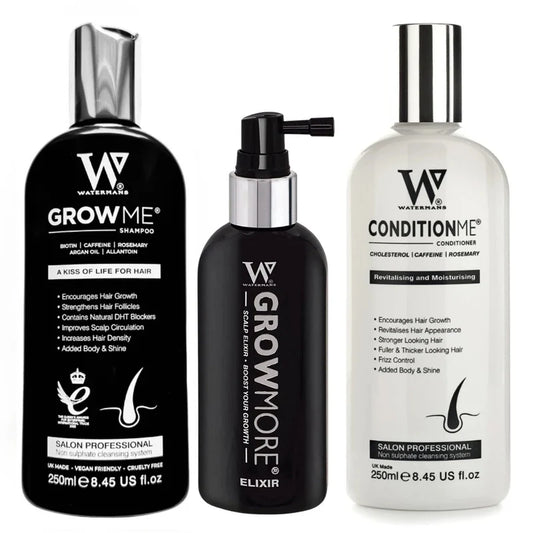
The Watermans Hair Survival Kit has:
• Watermans Grow Me Shampoo
• A conditioner that works with the shampoo
• A leave‑in scalp formula that helps between washes
This kit helps you:
• Clean the scalp with an active shampoo
• Condition and protect your hair
• Give ongoing care with a leave‑in that works on the scalp
Using these tools often fits well with what many doctors advise when trichoscopy shows early thinning: simple and active care that works with any medical plan.
FAQ: Understanding Trichoscopy and Hair Loss
-
Is trichoscopy painful or invasive?
No. Trichoscopy is a pain‑free, non‑invasive check. The doctor uses a light and lens to view your scalp. There are no needles, cuts, or after‑effects. -
Can trichoscopy cure hair loss?
Trichoscopy is a tool to show what is happening. It helps decide the best treatment and support. Medical care, daily habits, and products like Watermans Grow Me Shampoo work together after the check. -
How often should trichoscopy happen?
It depends on your case. For pattern hair loss, doctors may check every few months to a year. For short‑term shedding, it may be done at the start and in follow‑up sessions. Your doctor will guide you.
Take Action: Combine Trichoscopy with Smart Scalp Care
If you worry about hair loss or want to protect your hair, trichoscopy gives a clear view of your follicles. It shows if your hairs are thinning, if swelling is present, or if they are recovering. This guides you in your next steps.
• Book a visit with your dermatologist and ask for a trichoscopy check if you have not had one.
• Begin supporting your scalp at home with non‑medicated, active products like Watermans Grow Me Shampoo.
• For a full routine, consider the Watermans Hair Survival Kit to combine your check results with daily care.
A clear view of your hair leads you to a choice that helps protect it—starting in your own shower.